Japanese vs English Pokémon Booster Boxes: The Complete Comparison
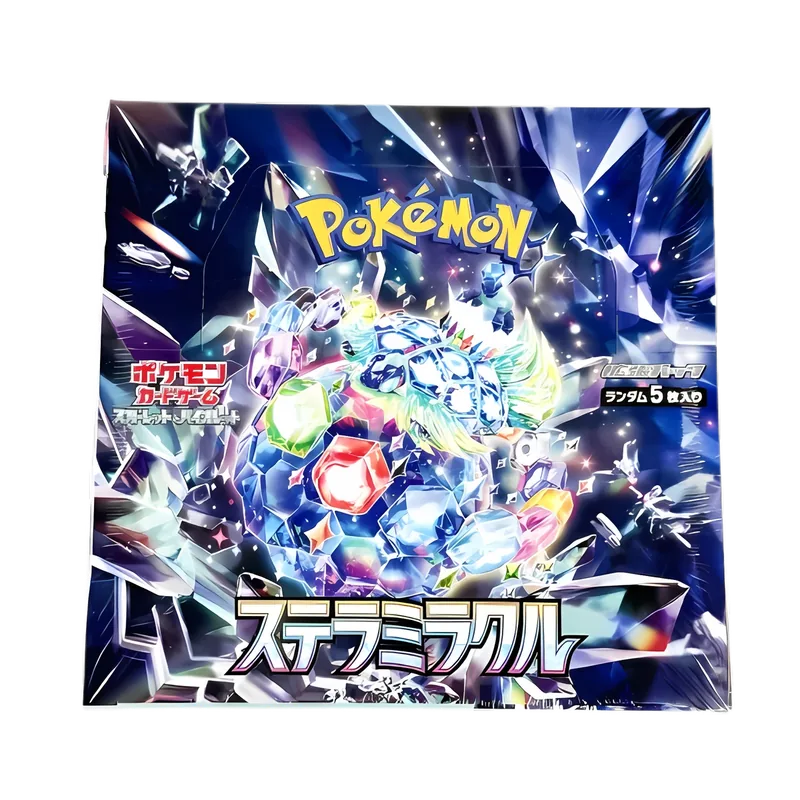
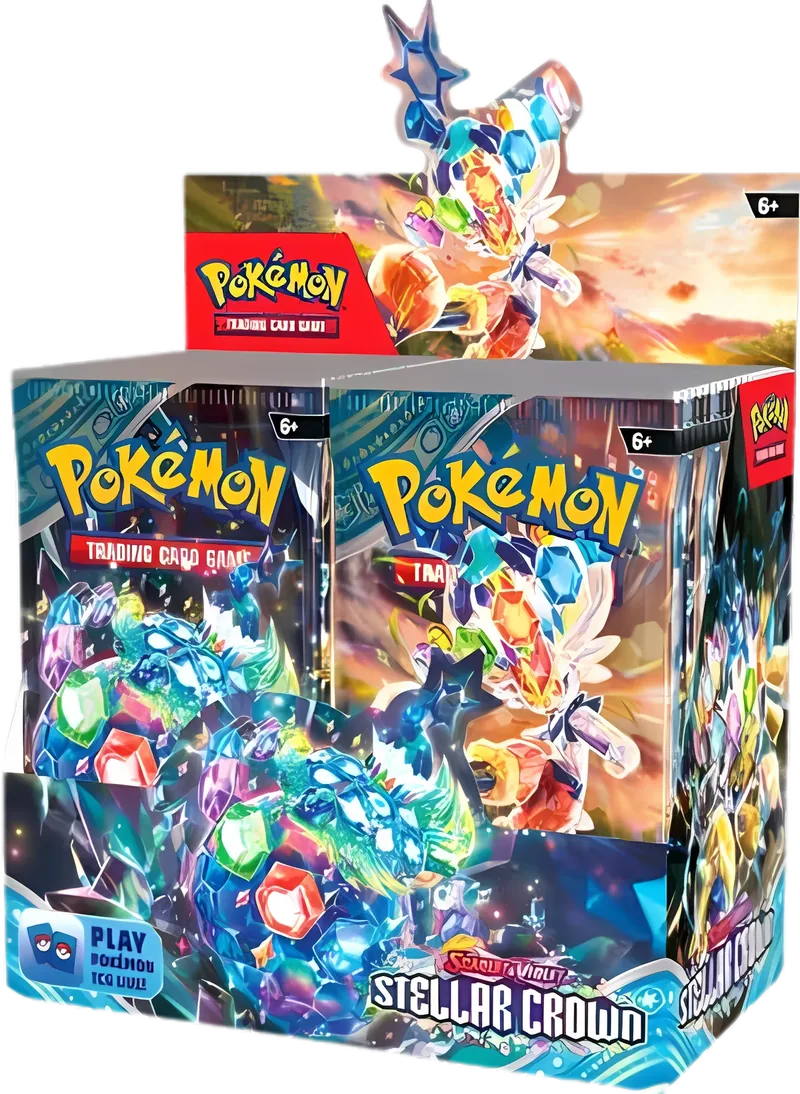
Japanese Pokémon booster boxes have become hugely popular with collectors outside Japan. They are cheaper per box, often release months earlier and many collectors love their print quality. But they are not the same product as an English box. Here is everything that is different.
Key takeaways
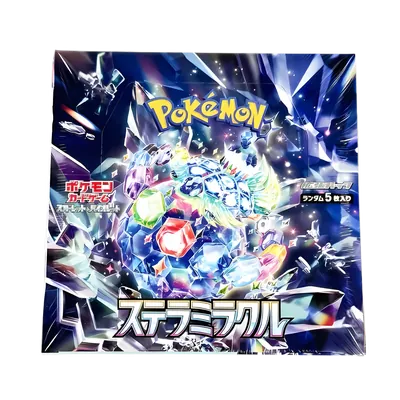
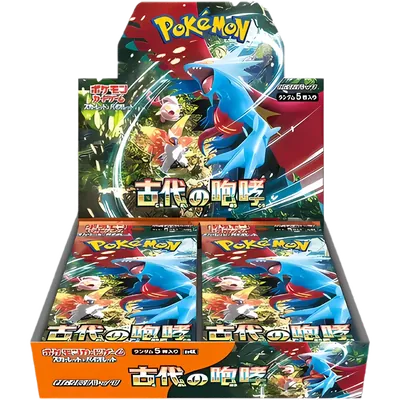
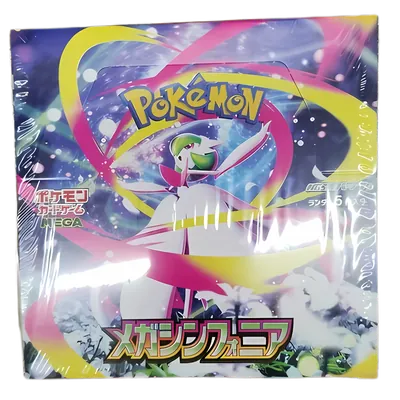
- Japanese main-set boxes usually have 30 packs of 5 cards; English boxes have 36 packs of 10 cards.
- Japanese boxes cost much less per box, but you also get fewer cards.
- Japanese sets usually release first, and some have no direct English equivalent.
- For official tournaments outside Japan, you will generally need English (or another accepted language) cards.
Box and pack structure
This is the biggest practical difference. A typical Japanese main-set booster box contains 30 packs with 5 cards each. Japanese “high-class” sets (special collector sets) are different again: usually 10 packs of 10 cards, with a strong focus on premium cards.
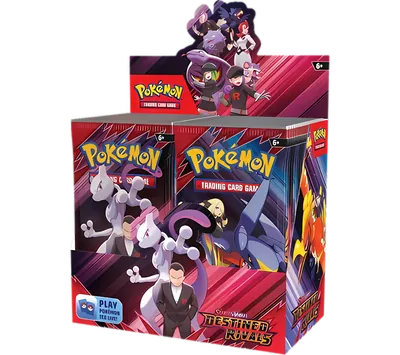
An English booster box typically contains 36 packs of 10 cards. So an English box gives you far more cards in total, while a Japanese box is a smaller, cheaper and quicker opening.
Price
Japanese boxes are much cheaper per box: many modern Japanese boxes cost a fraction of an English box. Per card, the gap is smaller, because you receive fewer cards. For collectors who mostly enjoy the opening experience and chasing the top hits, Japanese boxes are often the best value way to open a set. See our current Japanese booster boxes.
Release dates and exclusive sets
Japanese sets almost always release first, often several months before the English version. English expansions are frequently built by combining cards from more than one Japanese set, so the set lists are not always one-to-one.
Some Japanese releases, especially high-class sets, have no direct English equivalent, which makes them unique pieces in a collection.
Card and print quality
Many collectors consider Japanese cards to have very consistent print quality, centring and texture, and they are popular with people who grade their cards. That said, quality varies by print run in every language, so treat this as a tendency rather than a rule. Both Japanese and English cards can be graded by the major grading companies.
Pull rates
Japanese boxes are often said to give a more predictable number of hits per box, while English pull rates can vary more from box to box. None of this is officially guaranteed by the manufacturer, so never buy a sealed box expecting specific cards.
Playing in tournaments
If you play in official Play! Pokémon tournaments outside Japan, you will generally need cards in an accepted language for your region: Japanese cards are usually not allowed. Always check the current official rules before an event. For casual play at home, any language works.
So which should you buy?
- You want the cheapest way to open a set and chase the best art → Japanese box.
- You want the most cards, or you play in tournaments → English box.
- You collect sealed products → both have strong collector demand; many collectors keep one of each language.
- You want a set before it comes out in English → Japanese box.
Frequently asked questions
How many packs are in a Japanese Pokémon booster box?
Most Japanese main-set booster boxes contain 30 packs of 5 cards. High-class sets usually contain 10 packs of 10 cards.
Are Japanese Pokémon cards real Pokémon cards?
Yes. They are official cards printed by The Pokémon Company in Japan, in Japanese, and they are fully collectible and gradable.
Why are Japanese booster boxes cheaper?
Mainly because they contain fewer, smaller packs. Lower production and distribution costs in Japan also play a role.
Can I use Japanese cards in tournaments?
Generally not in official tournaments outside Japan. Check the current Play! Pokémon rules for your region.